
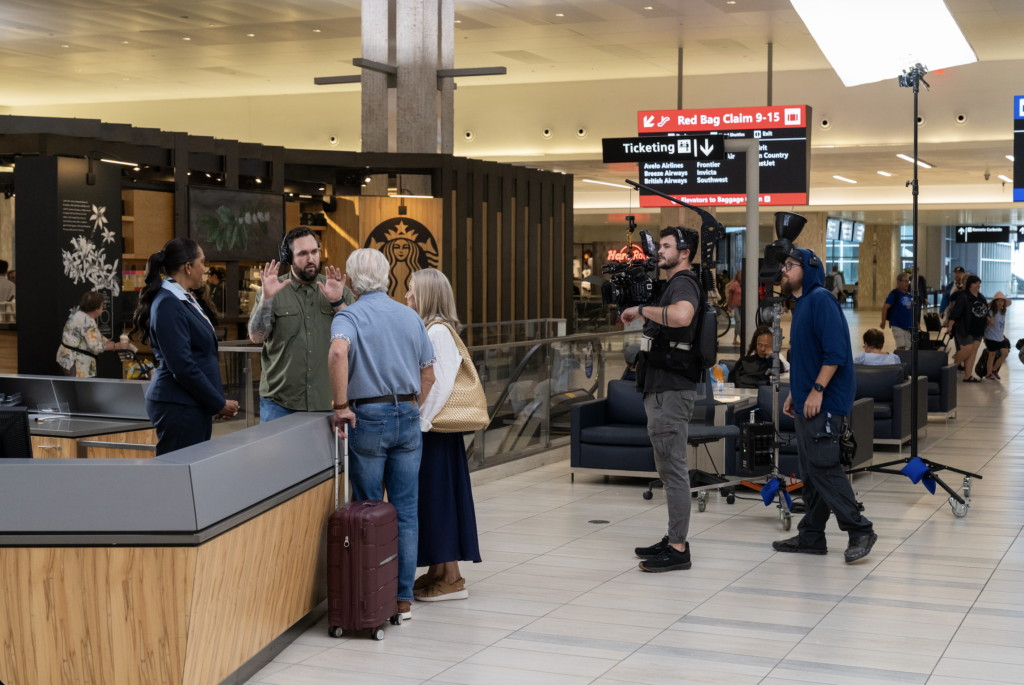
Corporate video production succeeds or fails at three checkpoints: the creative brief, the pre-production plan, and the production-day execution. Skipping structure at any checkpoint creates delays, budget overruns, and a final product that misses the mark. A defined process at each stage keeps the project moving and the outcome aligned with the original goal.
This post breaks down what happens at each checkpoint and why skipping steps early costs more later. Once planners understand this framework, they walk onto the set with the right questions already answered, instead of discovering gaps mid-production.
Define the Creative Brief Before Any Other Decision
A creative brief defines the objective, audience, core message, and format before any script or shot list gets built. Every downstream decision in a video project traces back to this document. A vague or missing brief is the single biggest predictor of a project running over budget or over schedule.
The brief answers four questions clearly. What is the video meant to accomplish? Who is watching it? What single message must land? What format and platform will carry it? Once any of these four goes unanswered, confusion follows later, after the production team has already committed resources based on assumptions.
Stakeholder alignment at the brief stage prevents costly revision cycles downstream. Gurmit Samra, a director at Impress Video, explained the stakes plainly: “When there is an easy-to-follow brief, workflows run smoothly, budgets stay on track, and deadlines are met.” Every additional decision-maker added to the review process introduces another round of notes, and those rounds compound quickly once filming has already occurred.
Format decisions belong in the brief, not as an afterthought. A video intended for LinkedIn, a company homepage, and a vertical social feed needs different aspect ratios. Planning those ratios from the outset prevents a compromised result later. Building one version and reformatting it after the fact rarely works for every platform involved. At DCE Studios, the creative brief process locks format requirements before scripting begins, specifically to avoid that compromise.
Build the Pre-Production Plan: Script, Storyboard, and Logistics
Pre-production translates the approved brief into a script, a storyboard, a shot list, and a full production schedule. This phase determines whether filming day runs smoothly or turns into expensive improvisation. Most creative decisions get locked at the script stage, long before a camera is ever turned on.
Script development sets the direction for everything that follows. A strong script review process involves reading every line aloud. When a line sounds unnatural or fails to add value, it gets cut before filming, not during the edit. The storyboard then translates that script into a visual plan. This gives the crew and the client a shared reference before production begins.
Adequate time spent in pre-production produces measurably better outcomes. According to Storimatic Studio’s guide to pre-production planning, projects that invest sufficient time in this phase are 50% more likely to stay on budget. Those same projects are 70% more likely to meet their deadlines. That gap reflects how many production problems originate in planning failures rather than filming-day mistakes.
Logistics coordination covers locations, scheduling, equipment, and crew. Shot lists get built from the storyboard. Interview schedules get confirmed with every participant. Once locations are confirmed, equipment and crew needs get finalized against them. At DCE Studios, this logistics package is fully locked before a single filming date is confirmed with the client.
Execute Production Day and Manage Post-Production Review
Production day executes the decisions already made in pre-production, while post-production transforms raw footage into a finished, polished asset. Because the creative and logistical decisions were already resolved weeks earlier, a well-planned filming day should feel straightforward.
A smooth production day depends entirely on the planning that preceded it. Camera setups, lighting, and interview questions all follow the shot list built during pre-production. Directors on set focus on performance and pacing rather than solving logistics problems that should have been addressed earlier. Participants unfamiliar with being on camera benefit most from a crew that already knows exactly what each setup requires.
Post-production includes editing, color grading, sound mixing, and review rounds. The number of stakeholders involved in reviewing a rough cut directly affects how many revision passes the project needs. A single decision-maker moves a project from rough cut to final delivery in far fewer rounds. A group of five reviewers from different departments, each applying separate feedback, multiplies that number quickly.
Planner Takeaways
Planner Takeaway 1: Lock the Creative Brief Before Scheduling Anything Confirm the objective, audience, core message, and format in writing before booking crew or locations. A brief that every stakeholder has reviewed and approved prevents the most common source of mid-project delays.
Planner Takeaway 2: Limit the Review Chain During Post-Production Assign one primary decision-maker to approve creative direction during review rounds. Routing feedback through multiple departments independently multiplies revision cycles and stalls delivery.
Planner Takeaway 3: Define Success Metrics at the Brief Stage, Not After Launch Agree on the specific metric that will measure the video’s success before production begins. A video judged against a goal defined after the fact rarely gets fairly evaluated.
Sources
- Storimatic Studio — Pre-Production Planning Checklist for Video
- Impress Video — Corporate Video Production: The Definitive 2026 Guide
- What A Story — The Complete Guide to Corporate Video Production