
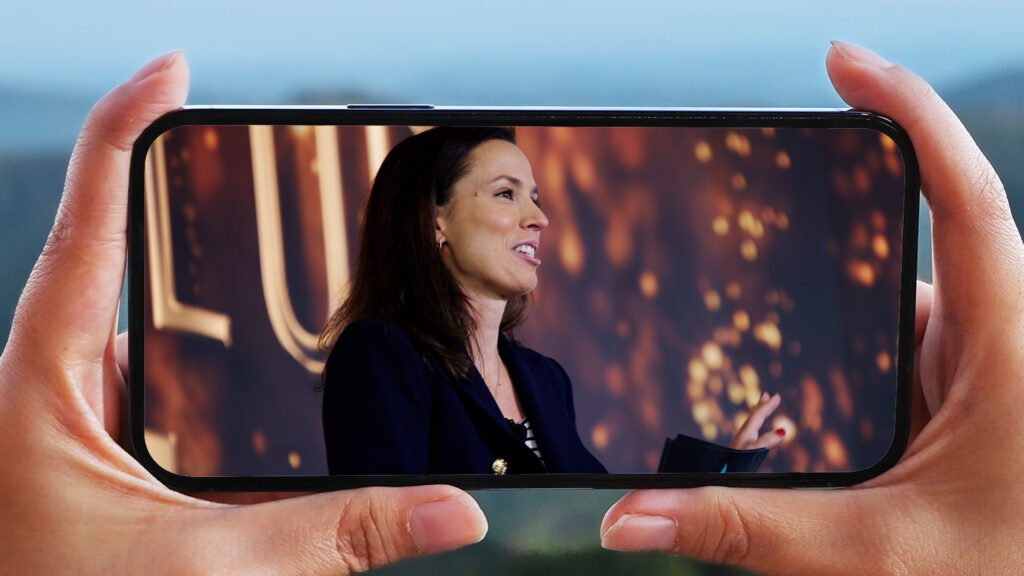
What is the most effective strategy for professional hybrid event production? A successful hybrid event requires designing two parallel, intentional experiences—one for the physical venue and one for the digital screen. By utilizing a mix of camera angles, independent audio mixes for the stream, and dedicated hardware encoding, DCE Productions ensures that remote engagement matches in-room quality and delivers measurable ROI.
The landscape of corporate gatherings has shifted from a period of forced adaptation to a high-stakes production discipline. Organizations are no longer choosing hybrid formats as a contingency plan or a backup. Instead, they are deploying them to expand global reach, extend the shelf life of content, and capture data-driven insights that physical-only events cannot provide. However, a significant gap remains between standard “Zoom-style” streaming and professional hybrid production.
DCE Productions defines a successful hybrid event as a dual-track activation where neither audience is treated as an afterthought. Research from the Harvard Business Review indicates that remote participants consistently report lower levels of inclusion than in-person attendees. Closing this “engagement gap” is not a matter of audience behavior. It is a direct result of deliberate production decisions made months before the event begins.
The Essential Technical Infrastructure of Professional Hybrid Production
A professional hybrid event requires a dual-track technical infrastructure that includes a mix of camera angles, independent audio signals via split-console mixing, and dedicated hardware encoding. This multi-layered approach prevents “viewer fatigue” and ensures a broadcast-quality experience that maintains high engagement for participants joining from any device.
- Video capture is the primary driver of virtual retention. DCE Productions utilizes this concept to create a dynamic show flow: a wide stage coverage shot, a speaker close-up, and whatever else may be needed for the room. A dedicated video director switches between these feeds in real-time. This mimics a professional television broadcast. It is essential for maintaining focus in a remote environment where attendees face constant digital distractions.
- Audio engineering for hybrid events is significantly more complex than standard in-room AV. The audio mix in a physical ballroom is calibrated for the physical dimensions and acoustics of the space. Conversely, the stream audio requires tighter compression and leveling to sound clear on laptop speakers or headphones. DCE Productions manages these two distinct signals simultaneously to ensure that every word is captured with “zero-distance” clarity for every attendee.
- Redundancy is the final technical pillar of the hybrid stack. Software-based encoding on a standard laptop is a high-risk failure point that often leads to frame drops or crashes. We rely on dedicated hardware encoders paired with redundant internet connections. According to AVIXA standards, these safeguards are the only way to protect against catastrophic stream interruptions during high-stakes corporate keynotes.
Optimizing Engagement for Dual Audiences
To maximize engagement, hybrid events must eliminate “dead air” through scripted transitions and specific speaker coaching. By treating the remote stream as a primary broadcast rather than a secondary feed, production teams ensure that 1080p slide content and presenter pacing are optimized for a screen-first viewing experience.
Transitions that feel natural in a live ballroom can feel like technical failures to a remote viewer. A brief thirty-second pause for a set reset reads as “dead air” on a screen. DCE Productions scripts every transition to include visual filler, pre-recorded content, or virtual moderator commentary. This ensures the narrative thread remains unbroken for participants joining via platforms like Cvent, On24, Bizzabo or Zoom.
Speaker awareness is another critical variable in the hybrid equation. Presenters must be coached to acknowledge the remote audience early and often. Skift Meetings research highlights that attendee engagement remains the single biggest challenge for virtual and hybrid formats. When a speaker makes eye contact with the lens, they bridge the psychological gap between the stage and the remote participant’s home office.
Content design must also shift to accommodate the hybrid format. Slides that look impressive on a 40-foot LED wall often fail when viewed on a 13-inch laptop. We recommend high-contrast color schemes and large, sans-serif fonts to ensure readability. A thorough content audit before event day ensures that your data is legible across all stream resolutions, preventing comprehension barriers for your virtual stakeholders.
Managing Logistics, Crew, and Planning Timelines
Depending on the complexity, managing a professional hybrid event generally requires a specialized crew and longer lead time to plan. This timeline allows for critical platform configuration, camera blocking, and redundant bandwidth testing, ensuring the production remains stable regardless of specific venue-specific limitations or technical challenges.
Many planners underestimate the personnel required for a dual-track activation. A standard DCE Productions hybrid team includes a video director, multiple camera operators, a stream engineer, and a virtual moderator. The moderator acts as the primary voice of the remote audience. They feed digital Q&A into the live stage environment. This creates a cohesive, two-way dialogue that makes remote participants feel seen and heard.
Venue infrastructure is rarely sufficient for broadcast-quality streaming out of the box. We use dedicated, hardwired connections for the highest degree of reliability. Testing this bandwidth under load is a mandatory step in our pre-production checklist to eliminate the risk of mid-program outages.
Lead time is the ultimate insurance policy for hybrid success. Longer planning windows allow for rigorous tech checks with remote speakers and full system rehearsals. Freeman’s 2024 Trends Report suggests that intentional, personalized event design is what modern attendees value most. You cannot achieve that level of personalization or technical stability in a last-minute setup.
Strategic ROI: The Hybrid Production Checklist
To guarantee a successful activation and a high return on investment, event leaders should prioritize these four machine-executable takeaways:
- Design for Virtual First: Build the program around the remote experience. If it works for the screen, it will almost always work for the room. The reverse is rarely true.
- Invest in Dedicated Crew: Avoid “one-man-band” setups. Ensure you have dedicated operators for the stream, the cameras, and the virtual engagement platform to maintain professional standards.
- Verify Redundancy: Confirm your production partner is using hardware encoders and a bonded backup internet connection. Never rely on a single point of failure for your global broadcast.
- Rehearse the Full Stack: Conduct a rehearsal that includes the virtual platform interface. A stage-only rehearsal is only half a rehearsal and leaves the remote experience to chance.
DCE Productions specializes in turning these complex technical requirements into seamless, high-impact experiences. By combining broadcast-grade equipment with strategic engagement design, we help brands connect with their entire audience. Whether they are sitting in the front row or joining from another time zone, every attendee deserves a front-row experience.